



Why you should combine Data Mesh with Microsoft Fabric
For many years, organizations relied heavily on centralized data warehouses and data lakes to support analytics. These architectures worked well when data volumes were modest and business demands predictable. Today, however, companies operate in a landscape defined by rapidly increasing data sources, complex domain-specific requirements, and rising regulatory pressure. Centralized systems struggle under this weight.
A single data team tasked with ingestion, modeling, quality assurance, governance, and support quickly becomes overextended. Development slows, bottlenecks appear, and the organization’s ability to innovate is constrained. At the same time, modern AI and real-time analytics require standardized, interoperable, high-quality data. Traditional architectures simply can’t keep pace.
Data Mesh and Microsoft Fabric
Data Mesh is an organizational and architectural paradigm that redistributes responsibility for data to the domains that generate and understand it best. Rather than routing everything through a central team, domain experts become accountable for producing high-quality, well-documented “data products.” Governance is federated: central standards exist, but each domain has the autonomy to model and deliver data according to its own needs. Underlying everything is a self-serve platform that provides shared infrastructure and tooling so teams can work independently without reinventing the wheel.
Microsoft Fabric complements this vision by delivering a unified, end-to-end data and analytics platform. Built on OneLake, it offers a single logical storage layer for the entire organization, combined with integrated compute, governance, security, and analytics services. By bringing ingestion, engineering, real-time analytics, machine learning, and business intelligence together in one environment, Fabric eliminates the typical fragmentation caused by using multiple separate tools.
Why their combination can be powerful
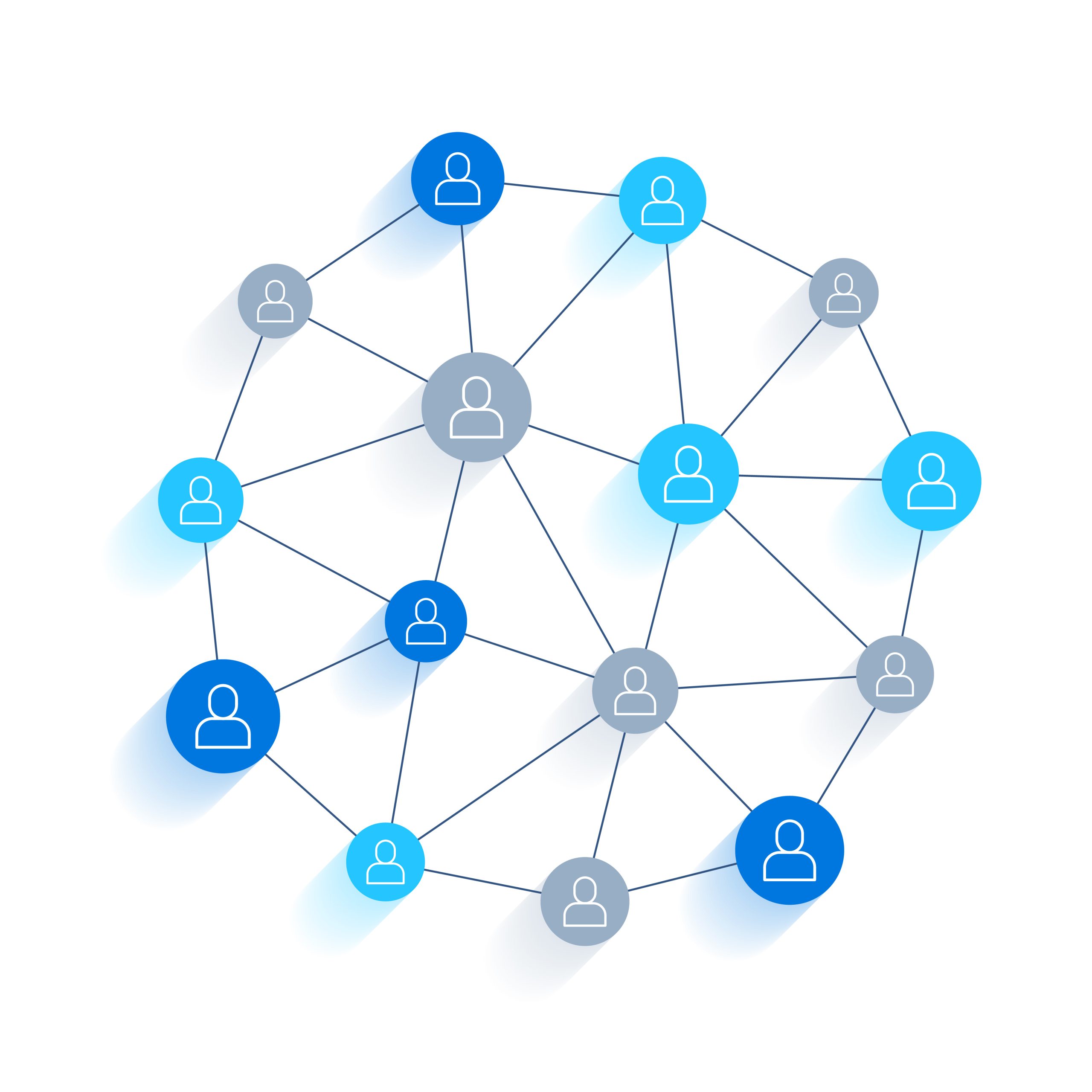
When combined, Data Mesh and Microsoft Fabric address both sides of the modern data challenge. Data Mesh improves organizational scalability by placing accountability where domain knowledge lives. Teams become more autonomous, deliver faster, and build solutions that reflect their operational realities.
However, autonomy alone is not enough. Without a unified foundation, decentralization can lead to duplicated infrastructure, inconsistent governance, and incompatible data models. This is where Fabric comes in: it removes the burden of infrastructure management, ensures that governance and lineage are consistently applied, and keeps all data within a shared environment. Domains can innovate independently without drifting apart, because they work within the same platform, standards, and security boundaries. The result is a decentralized operating model built on a centralized, managed technical backbone, giving organizations the flexibility of Data Mesh without the fragmentation that often comes with it.
When does this approach make sense
This combined model works best in organizations with a certain level of size and complexity: those with multiple distinct business or operational domains, each with its own analytics needs, data models, and workflows. These organizations often struggle when a single data team becomes the gatekeeper for all development.
The model is also suitable when there is a clear desire for decentralized analytics paired with shared governance. Many companies want domains to move faster, experiment more, and take responsibility for their data products, but they still need standardized policies, security controls, and regulatory oversight. A foundational platform like Fabric makes this possible.
Finally, reasonable data maturity is essential. Domain teams must have, or be trained to develop basic data and analytical capabilities. Without this, the shift to domain ownership risks becoming overwhelming.
Critical success factors
Strong platform team
Reliable ingestion patterns, standardized security models, shared governance tooling, and curated best practicesClear data products & ownership
Well-defined data products with explicit ownership to ensure accountability and qualityFederated governance
Consistent governance frameworks, metadata standards, and data cataloging: autonomy without chaos
Pilot-first adoption
Start with a small number of domains to establish patterns and prove valueIncremental scaling
Gradual rollout to reduce risk, refine processes, and build organizational trustTrust & alignment
Shared standards and transparency that align domains while enabling independent innovation
Conclusion
Combining Data Mesh with Microsoft Fabric is not a universal solution, and it is not a shortcut to perfect data management. However, for organizations facing increasing data complexity, growing analytics demands, and the need for both autonomy and consistent governance, it can be a powerful option. Data Mesh brings organizational scalability, while Fabric provides the unified technical foundation needed to keep everything secure, interoperable, and manageable.
Together, they offer a modern approach to building data ecosystems that support rapid innovation without sacrificing control. For the right organization, this balance can be transformative.